Background and Identity
Janice Sulkin emerges from the margins of celebrity as a quiet pillar — a figure whose influence is measured not in headlines but in the steady scaffolding of family life. Born Janice Breen in the United Kingdom, most public traces place her birth in the 1960s (exact date unknown). She was raised outside the Jewish faith of her later life and chose to convert to Judaism before raising her children, a decision that shaped family rituals, identity, and key milestones. In the portrait that survives public notice, she is at once a former model, the daughter of Daniel Breen (1915–1974) and Doris Darling (1922–1997), and the private center of a household based in North London.
The outline of her ancestry reads like a quietly British ledger: paternal grandparents Henry Breen and Deborah Mary Crowley; maternal grandparents Charles William Darling and Ethel Meredyth. Those names anchor her to a local lineage; her conversion marks a deliberate reweaving of that heritage into a new religious and cultural tapestry for her children.
Basic Information
| Field | Details |
|---|---|
| Full name | Janice Sulkin (née Breen) |
| Estimated birth | 1960s (exact date unconfirmed) |
| Nationality | British |
| Religion | Converted to Judaism (prior to children’s upbringing) |
| Spouse | Graham Sulkin (married circa 1983) |
| Children | Grant Sulkin (older), Gregg Sulkin (born May 29, 1992) |
| Early occupation | Model (former) |
| Public profile | Low — private, family-focused |
| Residence (noted) | North London (NW3 and surrounding areas referenced) |
Family and Relationships
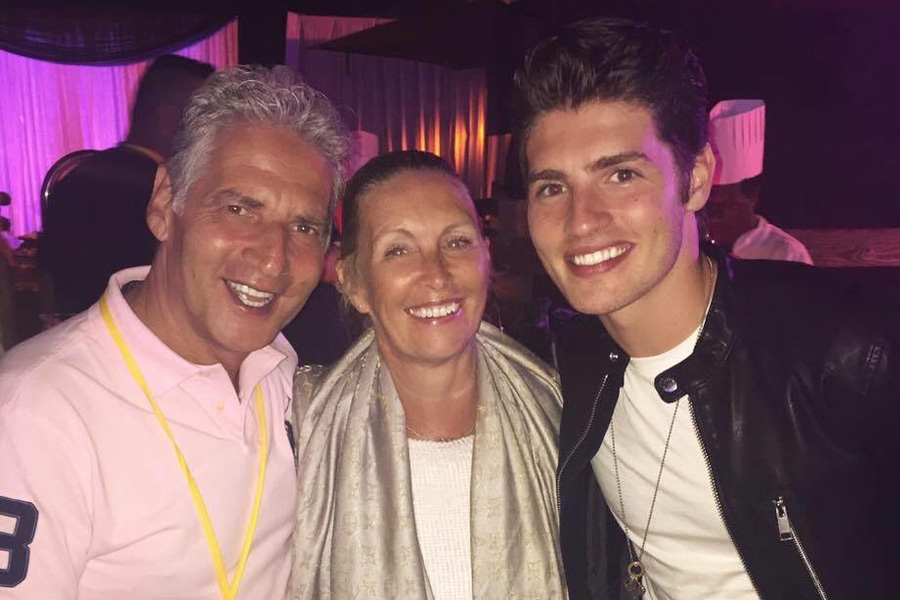
Family is the clearest headline in Janice’s life. Married to property developer Graham Sulkin since about 1983, the couple raised two sons in north London. Their younger son, Gregg Sulkin, born May 29, 1992, achieved international visibility as an actor; the elder son, Grant, remains largely out of the public eye. Over four decades of marriage — a partnership marked publicly in at least one social anniversary post (33rd anniversary celebrated October 4, 2016) — Janice’s role reads as steady and maternal rather than performative.
Her family choices signal intent: a conversion to Judaism prior to starting a family; a Bar Mitzvah celebrated by Gregg at the Western Wall in Jerusalem; and the cultivation of Jewish practice in the household. Those deliberate acts create a through-line of cultural continuity and choice. Janice’s influence is most visible in family rituals and in the early career decisions she nudged into being.
Career and Public Presence
Janice’s professional life is sparse in public records. She is described as a former model — a profession that may have given her familiarity with visual media, casting processes, and an eye for opportunity. It is precisely that eye that is credited with spotting a casting notice in the Jewish Chronicle in 2002, a small discovery that became the hinge for Gregg’s debut in a televised miniseries at age ten. In this way, Janice’s impact reads less like a résumé of awards and more like a string of catalytic moments: discreet, effective, transformative.
Outside of early modeling and that pivotal parental support, there are no confirmed ongoing professional activities, no public offices held, and no public-facing social media accounts clearly attributable to her. She prefers privacy. Mentions tend to occur only in the orbit of her son’s publicity — birthday tributes, throwback posts, and occasional on-set visits — rather than as independent, headline-grabbing items.
Timeline of Notable Dates and Events
| Year / Approx. | Event |
|---|---|
| 1915–1997 | Ancestors and parents: father Daniel Breen (1915–1974); mother Doris Darling (1922–1997). |
| 1960s (est.) | Janice Breen born in the United Kingdom (exact date unconfirmed). |
| Pre-1983 | Janice works as a model; converts to Judaism. |
| ~1983 | Marries Graham Sulkin (anniversary referenced October 4, 2016 — 33 years). |
| Pre-1992 | Birth of elder son Grant Sulkin (exact date not publicly detailed). |
| 1992-05-29 | Birth of son Gregg Sulkin in Westminster, London. |
| 2002 | Janice reportedly spots a casting call in the Jewish Chronicle; Gregg debuts in a TV miniseries. |
| 2006 | Gregg stars in the film “Sixty Six,” a role connected to his cultural upbringing. |
| 2010s | Gregg’s career expands internationally; family’s role shifts to supportive presence as he works in Hollywood. |
| 2016 | October 4 — 33rd wedding anniversary celebrated; public family tributes shared. |
| 2018 | Gregg posts video tribute titled “Isn’t my mum so cute?” publicly acknowledging Janice. |
| 2024 | Janice visits Gregg on set in Malta while he works on “World on Fire.” |
| 2025 | No major public headlines about Janice; continues private family life. |
Numbers in this timeline matter: 1992 (Gregg’s birth), 2002 (casting discovery), 2006 (career breakthrough), and the anniversary number 33 (years of marriage) which gives texture to the scale of family life.
The Private Matriarch as Cultural Thread
Janice’s story reads like a seam stitched through a family garment: not flashy, but essential. She is the hand that guided the thread — converting faith, choosing where to live, encouraging a child toward talent. These are actions that do not demand applause but that change the shape and fit of the family for generations. She is both the lens that first saw an opportunity and the anchor stabilizing the household as careers shifted from local stages to international screens.
Her public visibility is minimal by design. When she appears in public references, it is almost always relational: a mother at a milestone, a guest on set, a subject of affectionate social-media mentions by a grateful son. The effect is more like a slow-acting varnish than a rapid polish; it reveals itself in fidelity rather than fame.
Financial and Social Notes
Concrete financial details are absent from public records. Indirect markers — a spouse in property development and a son with a sustained acting career — suggest financial stability. Addresses and lifestyle references place the family in comfortable North London neighborhoods, yet those are brushstrokes rather than a full portrait. Janice’s life remains centered on family stewardship; wealth is implied through context rather than itemized.
Public Mentions and Media Footprint
Mentions of Janice appear chiefly within Gregg’s interviews, posts, and selected family videos. YouTube and social platforms occasionally capture the family dynamic, but no independent media profile of Janice exists. Where she is remembered publicly, it is with warmth: birthday posts, throwbacks, and gratitude. She remains, intentionally, a figure whose private life is the primary story.